
We saved $1.9 million by spending more money on our IT infrastructure.
That seemingly contradictory statement reflects the reality I discovered while leading a major migration from on-premises servers to AWS cloud for critical revenue cycle management applications. The decision to migrate wasn’t just about following industry trends—it was about recognizing the true cost of maintaining legacy systems.
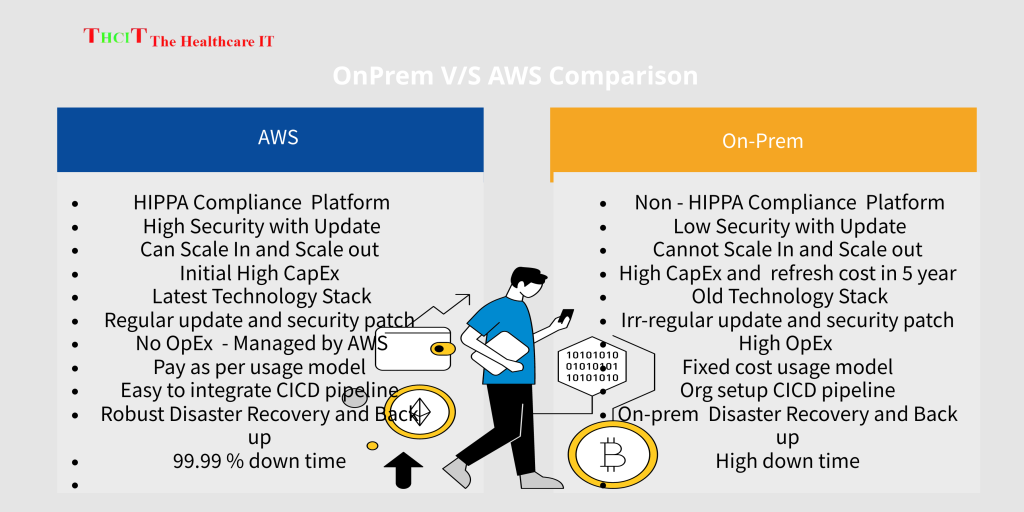
The obvious expense was hardware refresh cycles—replacing servers every 5 years represented a predictable capital expenditure. But the hidden costs were far more significant: maintenance contracts, power consumption, physical security, disaster recovery planning, and perhaps most importantly, opportunity cost.
By moving to the cloud, we eliminated those hardware refresh cycles completely. But the benefits extended far beyond cost savings. Suddenly, we had access to the latest security features and compliance capabilities without major upgrades. Our development teams could implement CI/CD pipelines that dramatically improved deployment cycles and reduced errors.
Scalability became a non-issue—we could expand resources during peak processing periods and scale back during quieter times, paying only for what we used. Backup and recovery processes that once required significant manual intervention became automated and more reliable.
Perhaps most surprisingly, we found that cloud migration forced us to modernize our applications in ways that delivered unexpected benefits. Refactoring for cloud compatibility led to cleaner code, better documentation, and ultimately more maintainable systems.
Is your healthcare organization still committed to on-premises infrastructure? What factors are influencing your decision to stay or migrate? I’d love to hear your perspective in the comments!
CloudMigration #HealthcareIT #DigitalTransformation

