
Revenue Cycle Management as we know it will be extinct in 5 years.
In today’s healthcare landscape, RCM is evolving at breakneck speed. What once required armies of coders and billers is rapidly being transformed by automation and AI. The manual processes that dominated the industry for decades are giving way to intelligent systems that can process claims, manage denials, and identify payment opportunities with minimal human intervention.
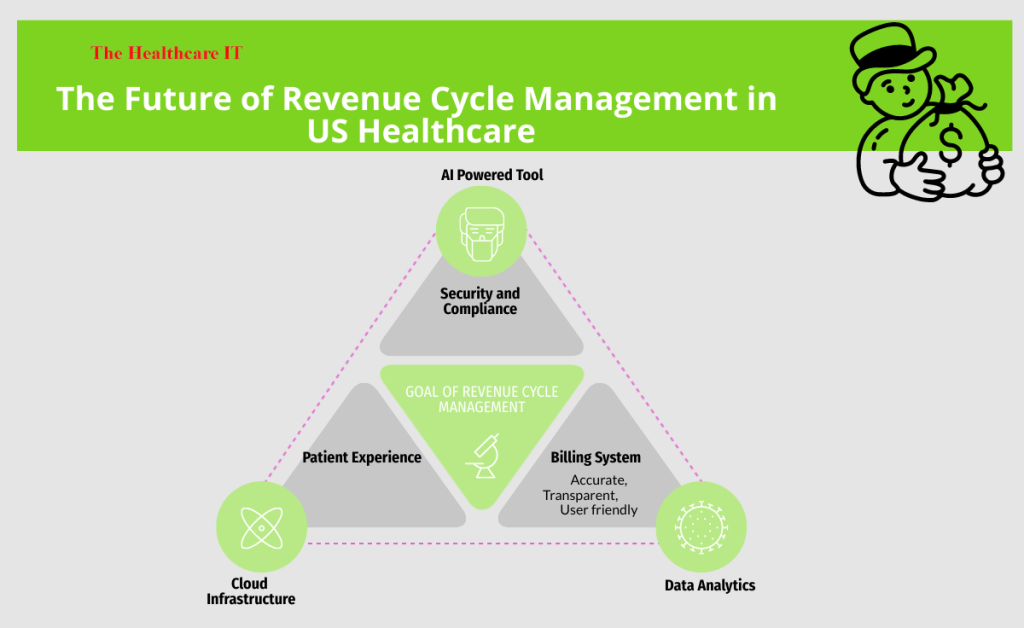
The most forward-thinking healthcare organizations are already preparing for this shift. They’re investing in cloud infrastructure, embracing AI-powered tools, and upskilling their workforce to focus on exception handling rather than routine processing.
The winners in this new era will be those who view technology not just as a cost-saving measure, but as a strategic advantage. Companies that can leverage data analytics to identify patterns in denials, predict payment issues before they occur, and automate appeals will create significant competitive advantages.
Patient experience will also become central to the RCM process. As consumers become more involved in their healthcare financial decisions, providers who offer transparent, user-friendly billing experiences will stand out in an increasingly competitive market.
Security and compliance will remain non-negotiable, but the methods will evolve. Cloud-based solutions with robust security protocols will replace legacy systems, allowing for better scalability and improved disaster recovery.
What changes are you seeing in RCM at your organization? Are you embracing automation, or still relying on traditional processes? Share your thoughts in the comments below!
HealthcareIT #RevenueCycleManagement #HealthTech

